Sudden Pressure Loss Repair in Chandler, AZ
We trace sudden whole-house pressure drops for homeowners and property managers, checking supply lines and accessible plumbing; diagnostic cost is typically $75–$200, depending on testing and travel.
A shower that weakens when another tap runs needs a pressure check, not a guess. Near Hamilton High School, Chandler homes range from single-story layouts to two-story tract homes, where an upstairs faucet can reveal a flow problem sooner than a ground-floor tap.
We measure pressure and trace the loss through the plumbing before recommending a repair. Low desert humidity increases evaporation and water demand, so a steady supply matters through Chandler’s dry stretches. Hard water mineral buildup can narrow plumbing passages over time; if one fixture is affected, check whether its faucet aerator is visibly blocked before assuming the whole house has low pressure.
Our team serves San Marcos Country and Pozo, checking the pressure regulator, filters, pipes, and pump equipment as the symptoms warrant. We explain what the readings show and confirm the work scope before repairs begin.
We’ll help you plan a practical next step.
We trace sudden whole-house pressure drops for homeowners and property managers, checking supply lines and accessible plumbing; diagnostic cost is typically $75–$200, depending on testing and travel.
We repair or replace residential pressure regulators, with cost shaped by valve size and access. Typical replacement runs $250–$600.
We repair residential booster pumps, checking pump controls and connections; typical repair costs depend on pump capacity, parts, and access, with larger or harder-to-reach units costing more.
Install a residential booster pump sized for household flow; typical Chandler, AZ jobs run $800–$2,500, depending on pump capacity and wiring. We serve homes near Downtown Glendale and beyond.
We trace weak hot-water flow in Chandler, AZ homes, checking heater connections and nearby piping; typical repairs run $150–$600, depending on access and parts.
We restore weak faucet flow for Chandler, AZ homeowners, checking the aerator and fixture supply; repair scope and access shape the cost.
We trace and repair pressure-related water leaks in homes, including concealed pipe leaks; access and wall repair needs shape the job scope and cost.
We repair or replace residential well pressure tanks, matching tank size and plumbing connections; replacement typically runs $500–$1,500 depending on tank size and access.
We clear residential and commercial pipe blockages, including debris in accessible drain lines; job pricing depends on blockage depth, pipe access, and the repair needed.
We clear or replace clogged home water filters; service scope and cartridge access affect the job. Prescott Courthouse Plaza is a local reference, while elevation-related rainfall and Flagstaff’s colder winters can sh...
We repair residential softener flow restrictions, checking valve and bypass access; typical repairs run $150–$500, depending on parts and access.
Well water pressure repair for homeowners includes testing the well system and its pressure tank; tank size and plumbing access affect replacement scope, with tank work typically $500–$1,500.
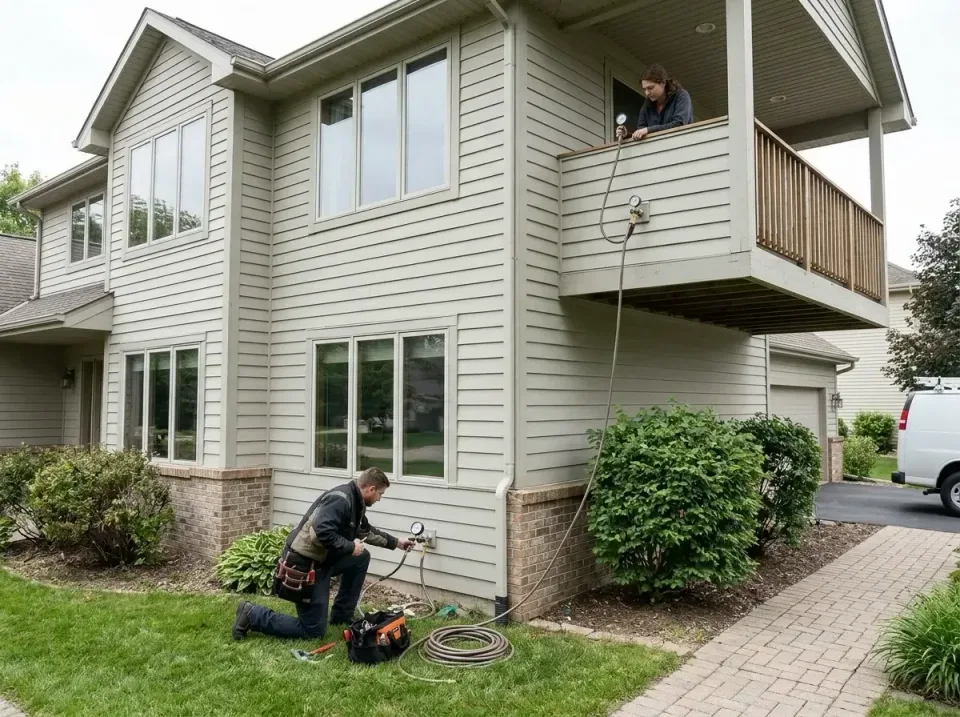
At Chandler City Hall, municipal buildings rely on steady fixture flow; at home, weak taps can disrupt ordinary routines. Phoenix summer highs often exceed 100°F, so equipment exposed outdoors takes sustained heat and should be checked when pressure changes.
Daniel Herrera’s crew learned the trade in Phoenix and brings that field experience to Chandler appointments, from initial pressure readings to explaining repair options in plain language. Low-desert summers bring prolonged extreme heat, while monsoon storms can bring sudden downpours and flash flooding; those different conditions make clear scheduling and attention to outdoor equipment useful. Our team arranges a visit, confirms the work scope, and completes agreed repairs to applicable requirements.
If pressure drops throughout a two-story tract home, our first step is to compare flow at several fixtures and check the incoming pressure. A clogged filter or a pressure regulator problem can limit multiple taps; residents near Chandler Public Library can safely compare one cold tap with another and note whether the weakness is house-wide.
A shower that fades when a second tap runs may point to a flow restriction, while hot-side weakness alone directs our checks toward the hot-water plumbing. Dust storms can reduce visibility and damage outdoor equipment, so after one passes, look from a safe spot for obvious damage around visible pump equipment; don’t open electrical covers. Monsoon humidity and storms can expose roof and drainage leaks, so report any new indoor dampness alongside pressure changes.
We diagnose Chandler calls in 85286, 85225, 85224, 85226, 85248, 85249, and 85246, then explain the findings before work.
A pressure problem may be concentrated in one part of the home. Near the Arizona Railway Museum, a weak hot tap with normal cold flow gives our crew a useful starting point: we compare both sides and inspect accessible fixtures and plumbing before choosing a repair.
Water leak detection and repair matters when unexplained pressure loss appears alongside dampness; we trace the source rather than treating the symptom alone. A water softener can also contribute to low pressure if flow through the unit is restricted, so our team checks its valves and connections.
Chandler’s hot desert climate makes it sensible to report pressure changes promptly when they coincide with outdoor equipment issues. If the hot side is weak, note whether the same problem affects more than one hot tap. We use those observations to guide the inspection and explain the next step.
Our crew serves San Marcos Country, where we can compare pressure at more than one fixture to identify whether a loss is isolated or house-wide. In Pozo, tell us if an upstairs tap is weaker than a ground-floor one; that distinction helps focus the inspection. Villa Pallavicini residents can note whether hot and cold flow differ at the same faucet before our visit.
In Pepperwood, we ask whether the problem began after a change to the plumbing or water-treatment equipment, since timing helps narrow the checks. Central Ridge customers can point out which fixtures lose flow when another tap runs. We also serve Hightown, with appointments planned around access to the affected fixtures and equipment.
Monsoon season typically runs June through September, so include any storm-related change in pressure when describing the issue. We diagnose the property in front of us.
Hard water and mineral buildup can strain regulators, filters, and booster pumps.
The team schedules service across Arizona and coordinates routes around travel distance, local access, and demand. That planning helps set realistic expectations for service in Chandler.
The technician tests pressure, identifies likely causes, and reviews repair options with you before work begins.
Discuss The Issue
You describe where pressure feels low and when it happens. The technician uses those details to plan checks at relevant fixtures and system components.
Test Pressure
The technician records static and flowing pressure, then checks multiple fixtures to distinguish a localized restriction from a broader system issue. You get clear findings to guide the diagnosis.
Complete And Check
After approved work, the technician checks for active leaks before increasing system pressure and verifies the repair. You receive an explanation of the completed work and relevant system findings.
Sediment caught at a faucet aerator can be an early clue that mineral buildup is affecting flow. Notice whether cleaning the aerator changes the stream, and mention recurring buildup when discussing a pressure check.
A pump making unfamiliar sounds can signal that the system needs attention, even if water still reaches the fixtures. Note when the sound occurs and whether it changes during water use; that context can help guide inspection.
A pressure gauge that moves unexpectedly can be an early sign of a system issue. Keep track of when the change appears and whether it coincides with water use, then share that information during diagnosis.
Large daily temperature swings can put stress on plumbing components and make pressure changes worth checking. A spring assessment can help identify a regulator, filter, or pump concern and clarify repair options before it disrupts normal household use.
Extreme desert heat can add strain to equipment such as regulators and booster pumps. A pressure check during summer can help pinpoint system concerns, while a technician explains findings and practical repair options before work begins.
Summer monsoon storms can bring changing conditions around a home and its water system. Fall is a useful time to investigate pressure concerns, check fixtures and system pressure, and discuss any repair needs with a technician.
Chandler's mild, sunny winters still bring daily temperature swings that can affect plumbing components. A winter pressure diagnosis can help locate a restriction or equipment concern and give you clear repair options without waiting for a more disruptive symptom.
Permit requirements depend on the planned work and local rules. Ask the provider to explain whether permits apply and who handles them, so responsibilities are clear before work starts.
A provider coordinating routes across Arizona may plan around travel distance and local access. Ask how scheduling works and what timing to expect so you can plan for the visit.
Reviewing these details helps prevent confusion about what you have approved.
Request a quote online or contact our Chandler, AZ team directly by phone or email.
Note whether the drop affects every fixture or only one, and compare hot and cold flow at the same faucet. In San Marcos Country or Pozo, tell our crew when the change began and whether it followed a storm or plumbing work. We’ll measure pressure and inspect the likely restriction before recommending a repair.
Yes. A restricted filter can reduce flow, especially if several fixtures downstream feel weak. Don’t bypass treatment equipment; note whether pressure changed after filter or softener work and let our team inspect the unit and connections.
Low Water Pressure Repair is also available in these nearby communities across Arizona.