Sudden Pressure Loss Repair in Page, AZ
We trace sudden whole-house pressure drops for homeowners and property managers, checking supply lines and accessible plumbing; diagnostic cost is typically $75–$200, depending on testing and travel.
Hard water mineral buildup can narrow plumbing passages in Page homes, so a tap that once ran steadily may weaken gradually. We measure before recommending a repair.
The Glen Canyon Dam landmark puts Page’s identity on the map, while the area’s low-desert humidity increases evaporation and water demand; that combination makes it useful to check for leaks when household use changes. Low-desert summers bring prolonged extreme heat, which can add strain to outdoor plumbing equipment. Small changes matter.
Our crew traces pressure loss from the fixture back through the supply, checking the components that can restrict flow and explaining what the readings show. We handle low pressure affecting hot water, faucets, and well-fed plumbing, with the work scoped to your home and access conditions. You can tell us whether the issue affects one tap or the whole house before we schedule.
We’ll arrange access, identify the likely source, and explain the next step without guessing at the repair.
We trace sudden whole-house pressure drops for homeowners and property managers, checking supply lines and accessible plumbing; diagnostic cost is typically $75–$200, depending on testing and travel.
We repair or replace residential pressure regulators, with cost shaped by valve size and access. Typical replacement runs $250–$600.
We repair residential booster pumps, checking pump controls and connections; typical repair costs depend on pump capacity, parts, and access, with larger or harder-to-reach units costing more.
Install a residential booster pump sized for household flow; typical Page, AZ jobs run $800–$2,500, depending on pump capacity and wiring. We serve homes near Downtown Glendale and beyond.
We trace weak hot-water flow in Page, AZ homes, checking heater connections and nearby piping; typical repairs run $150–$600, depending on access and parts.
We restore weak faucet flow for Page, AZ homeowners, checking the aerator and fixture supply; repair scope and access shape the cost.
We trace and repair pressure-related water leaks in homes, including concealed pipe leaks; access and wall repair needs shape the job scope and cost.
We repair or replace residential well pressure tanks, matching tank size and plumbing connections; replacement typically runs $500–$1,500 depending on tank size and access.
We clear residential and commercial pipe blockages, including debris in accessible drain lines; job pricing depends on blockage depth, pipe access, and the repair needed.
We clear or replace clogged home water filters; service scope and cartridge access affect the job. Prescott Courthouse Plaza is a local reference, while elevation-related rainfall and Flagstaff’s colder winters can sh...
We repair residential softener flow restrictions, checking valve and bypass access; typical repairs run $150–$500, depending on parts and access.
Well water pressure repair for homeowners includes testing the well system and its pressure tank; tank size and plumbing access affect replacement scope, with tank work typically $500–$1,500.
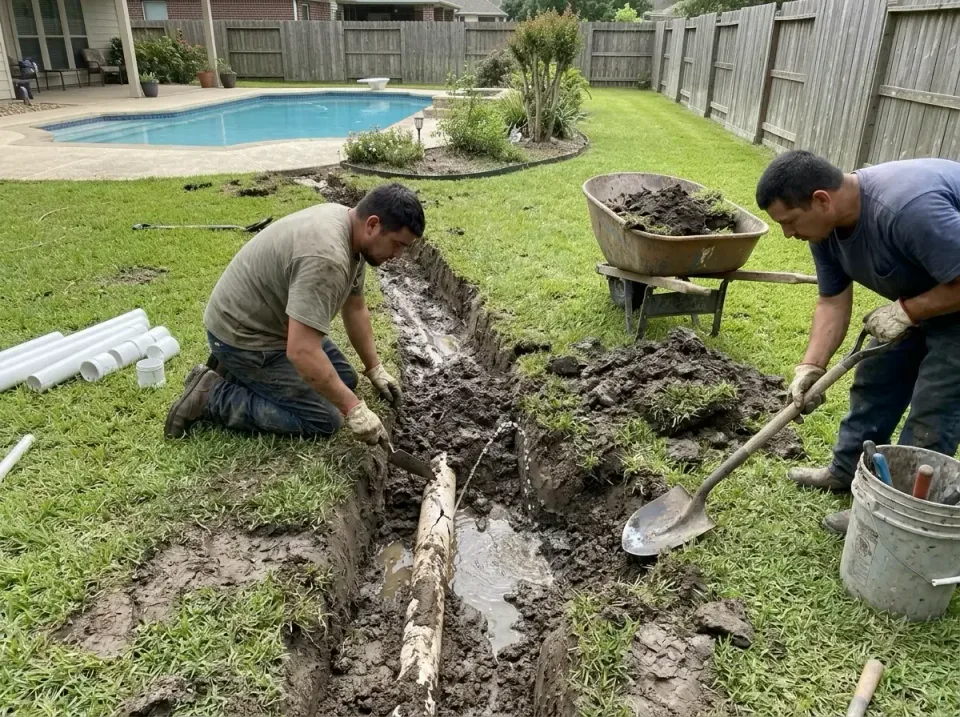
Summer heat accelerates wear on outdoor pump equipment, so we check the pump and its connections when symptoms point outside the house. Winter nights can bring freezing temperatures in higher elevations; exposed lines deserve attention if a cold spell is followed by reduced flow.
You’ll hear what we found and what the repair involves before work begins. No guesswork.
A shower that weakens when another tap runs, or low flow throughout a Page home, calls for a source check rather than a quick fixture swap. Cold snaps can freeze outdoor pipes and hose bibs; after a freeze, check whether an outdoor tap is visibly damaged, without forcing a stuck handle. Monsoon storms can expose roof and drainage leaks, so note any new damp areas near plumbing routes.
We compare affected fixtures, inspect accessible piping, and trace the loss to the component causing it. A booster pump may need diagnosis when several fixtures lose flow under simultaneous use; pressure loss isolated to one branch may point to a restriction instead.
Dust storms can damage outdoor equipment, so we inspect exposed pump components when the symptoms fit. We serve Page properties in ZIP code 86040. If pressure remains weak after a simple fixture check, our team can investigate the system.
Yes. Check for a visible drip or frost-damaged hose bib, but leave concealed or pressurized pipe repairs to our crew.
Rainfall varies widely by elevation and location; a sudden storm around Page is not proof of a plumbing leak, but new dampness near a pipe route is worth noting. Near Horseshoe Bend, we can check accessible supply lines and test the fixtures where pressure changed before choosing a repair.
If flow dropped after a water softener was installed, our team can inspect the connections and determine whether the unit is restricting supply. Tell us which fixtures changed and when; we’ll use those details to focus the diagnosis.
For a Page home, the right repair starts with a clear pressure record: static pressure is measured when water is not flowing, while flowing pressure shows what remains during use. We record both before diagnosis, so a weak shower is not mistaken for a problem at every fixture.
OSHA safety practices matter when servicing powered pump equipment; proper isolation helps protect occupants and technicians. Skipping required approvals or inspections can leave work undocumented and complicate later repairs. Near Powell Museum, as elsewhere in Page, we explain the applicable steps before work begins.
Get a clear diagnosis and practical repair options from an Arizona plumbing team.
Technicians check pressure at fixtures and across the system, then explain what they find. That helps distinguish a local restriction from a system issue before repair options are discussed.
You hear the findings and repair options before work begins, so the agreed scope is clear. The team focuses on a practical fix, whether the issue is at a faucet or well pressure tank.
With 12 years in business across Arizona, the team plans routes around travel distance, local access, and seasonal demand. That coordination helps set realistic expectations for service in Page.
The crew tests the system, explains the findings, and completes agreed repairs.
Discuss the Issue
Tell the team where pressure is low and when you notice it. This gives the technician a starting point for checking fixtures and the water system.
Test Pressure
The technician records static and flowing pressure, then checks multiple fixtures. You get test findings that help isolate whether a restriction is localized or system-wide.
Complete Repair
After you approve the scope, the crew performs the agreed repair and verifies there are no active leaks before increasing system pressure. You get a clear account of the completed work.
Hot water pressure is lower than cold at the same fixture. That difference can suggest a restriction in the hot-water side, so notice whether it appears at one tap or across several.
Water pressure suddenly drops overnight. A sharp change can signal a developing supply or system problem; check more than one fixture and watch for visible leaks before arranging a diagnosis.
Spring is a useful time to address weak flow before household water use changes. A pressure check can identify fixture restrictions or system concerns, while route coordination helps the team plan service across Arizona.
Summer monsoon storms can bring changing conditions around homes and water systems. If pressure concerns appear, a technician can test fixtures and system pressure, explain findings, and discuss practical repair options.
The team schedules Arizona service around travel distances and seasonal demand, and can assess whether the cause is local or system-wide.
Winter is a suitable time to investigate ongoing weak flow instead of leaving the cause unclear. Pressure testing at fixtures and across the system can guide an appropriate repair, with options explained before work begins.
Permit needs can depend on the work involved and local requirements. Ask the provider to clarify whether the proposed repair requires a permit and who will handle that part before work starts.
The team coordinates Arizona routes around travel distance, local access, and seasonal demand. Ask how those factors affect the service window so you can plan access to the home.
A clear scope helps you understand which testing and repairs are included and what is outside the plan. Ask for the findings and repair options before approving work.
A technician may need access to fixtures and relevant system equipment to check pressure. Confirm which areas need to be reachable so the assessment can proceed without avoidable delays.
Ask to review the written terms, including the approved scope and any conditions, before authorizing repairs. Clear terms help prevent confusion about what the provider has agreed to do.
Request a quote online or contact our Page, AZ team directly by phone or email.
When flow drops only during simultaneous use, the supply may be restricted by a component or piping condition. Note which fixtures are running when the change happens. Our crew checks the affected taps and traces the pressure loss before recommending work.
It can restrict flow if a connection or component is obstructed. If pressure changed after installation, compare more than one fixture and tell us when the change began. We can inspect accessible connections and determine whether the softener is involved.
Identify whether low flow affects one fixture or the whole home, and note whether hot and cold water behave differently. Look for visible leaks or damage at outdoor hose bibs, but don’t open pressurized plumbing. Those observations help our team plan the diagnosis.