Sudden Pressure Loss Repair in Summit, AZ
We trace sudden whole-house pressure drops for homeowners and property managers, checking supply lines and accessible plumbing; diagnostic cost is typically $75–$200, depending on testing and travel.
Summit’s hot desert summers and long sun exposure put plumbing and outdoor equipment through sustained heat. Hard water mineral buildup can narrow plumbing passages over time, so a faucet that once ran freely may deliver a thinner stream. Low humidity also increases evaporation and household water demand, making weak flow especially noticeable during everyday use.
We measure pressure and trace the loss before recommending a repair. Our team checks fixtures, accessible valves, filters, regulators, and pump equipment to distinguish a local restriction from a whole-home supply problem. Stucco and masonry homes with concrete slab foundations call for careful attention to accessible plumbing routes and the location of the main line.
A useful first check: compare two faucets, one at a time, and note whether the weak flow affects both hot and cold water. That pattern helps us narrow the cause without taking anything apart.
Call (877) 773-0781 to describe the pressure change and arrange a visit; we’ll explain our findings and confirm the work before starting.
We trace sudden whole-house pressure drops for homeowners and property managers, checking supply lines and accessible plumbing; diagnostic cost is typically $75–$200, depending on testing and travel.
We repair or replace residential pressure regulators, with cost shaped by valve size and access. Typical replacement runs $250–$600.
We repair residential booster pumps, checking pump controls and connections; typical repair costs depend on pump capacity, parts, and access, with larger or harder-to-reach units costing more.
Install a residential booster pump sized for household flow; typical Summit, AZ jobs run $800–$2,500, depending on pump capacity and wiring. We serve homes near Downtown Glendale and beyond.
We trace weak hot-water flow in Summit, AZ homes, checking heater connections and nearby piping; typical repairs run $150–$600, depending on access and parts.
We restore weak faucet flow for Summit, AZ homeowners, checking the aerator and fixture supply; repair scope and access shape the cost.
We trace and repair pressure-related water leaks in homes, including concealed pipe leaks; access and wall repair needs shape the job scope and cost.
We repair or replace residential well pressure tanks, matching tank size and plumbing connections; replacement typically runs $500–$1,500 depending on tank size and access.
We clear residential and commercial pipe blockages, including debris in accessible drain lines; job pricing depends on blockage depth, pipe access, and the repair needed.
We clear or replace clogged home water filters; service scope and cartridge access affect the job. Prescott Courthouse Plaza is a local reference, while elevation-related rainfall and Flagstaff’s colder winters can sh...
We repair residential softener flow restrictions, checking valve and bypass access; typical repairs run $150–$500, depending on parts and access.
Well water pressure repair for homeowners includes testing the well system and its pressure tank; tank size and plumbing access affect replacement scope, with tank work typically $500–$1,500.
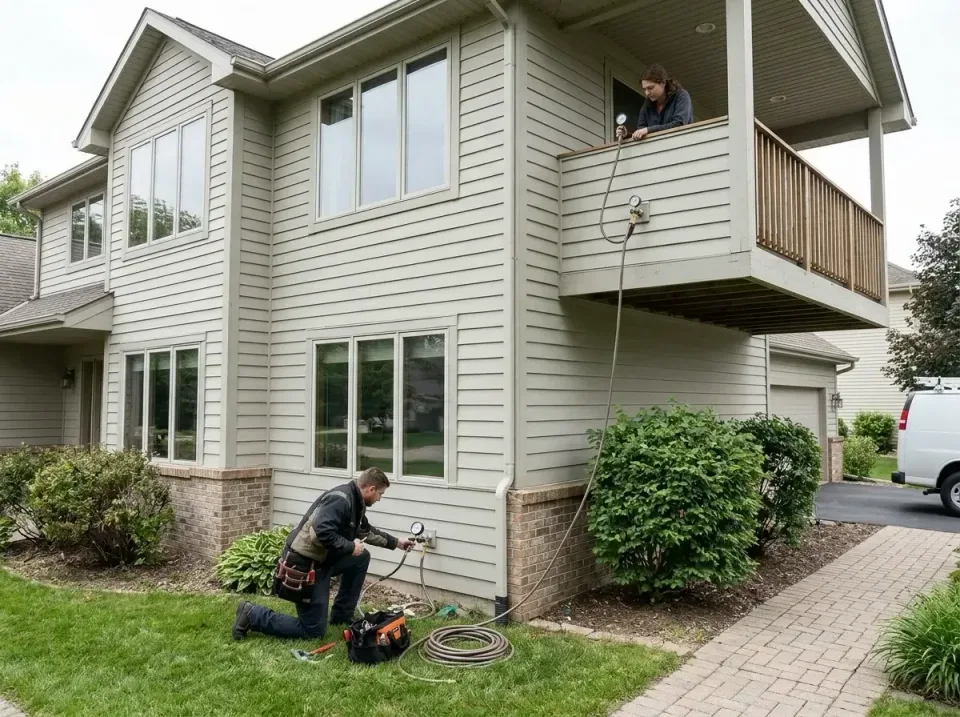
Summit’s very low annual rainfall and hot desert summers make water use and plumbing performance practical concerns for local property owners. Summer monsoon storms can bring sudden changes in weather, so we also check accessible outdoor equipment when a pressure complaint points beyond the indoor fixtures. Our crew focuses on measured diagnosis rather than guessing at the cause.
We schedule service for local homes, ask about the fixtures and floors affected, and measure pressure before proposing a repair. You can expect a plain-language explanation of what we found, a clear scope for the agreed work, and careful coordination of any needed water shutoff.
Weak flow throughout a Summit home, or an upstairs faucet that barely runs, can point to a supply restriction or a problem along the main water line. Phoenix summer highs often exceed 100°F; in Summit, prolonged hot-weather demand can make an existing pressure problem more apparent.
We compare pressure at accessible points and inspect the main line and components before selecting a repair. You can note whether nearby fixtures are also weak.
If shower flow drops when another tap runs, our crew checks for a pressure loss under simultaneous use and traces the restriction. Mountain properties need exposed plumbing protected from freezing; if a property has exposed lines, tell us where they are so we can include them in the inspection.
We serve Summit, AZ. Tell us which fixtures are affected and whether your water comes from a well or municipal supply; that gives our team a useful starting point.
Sun and heat exposure can wear outdoor pump equipment faster, so a pressure complaint at a Summit property may need checks beyond indoor faucets. Our team inspects accessible equipment and measures pressure before recommending repair or replacement. If a booster pump is involved, we look for evidence that it is producing the flow the home needs rather than assuming the pump is the cause.
Hot water pressure that is lower than cold can point to a restriction on the hot-water side. A pressure gauge helps us compare readings, and we check the relevant fixtures and plumbing path; residents can safely compare hot and cold flow at one faucet without removing parts.
For a water softener that appears to reduce pressure, we check whether flow changes across the unit. Drinking-water system components must meet NSF/ANSI 61 requirements, so we consider that standard when selecting applicable components. Call us when the difference persists.
A pressure repair that changes plumbing or pump wiring may require code review, permits, or inspection depending on its scope. Summit property owners should confirm the applicable local authority before work begins; City of Phoenix permit rules are not automatically the rules for a Summit address. Skipping a required inspection can leave altered work undocumented and create problems when the plumbing is serviced or evaluated later.
OSHA safety requirements apply to workplace tasks such as servicing energized pump equipment, so our team follows appropriate lockout and safety procedures. We confirm the job scope, identify applicable requirements, and explain the planned work before proceeding.
Get a clear diagnosis and practical repair options from a local plumbing team.
The team understands how hard water and mineral buildup can affect regulators, filters, and booster pumps. That local plumbing experience helps narrow down likely causes without assuming every pressure problem needs the same repair.
Arizona Plumbing Pros coordinates routes around travel distances and local access in Summit. The Arizona ROC-licensed, bonded, and insured plumbing contractor communicates about the work and keeps the service area tidy.
The crew tests the system, explains the diagnosis, and completes the agreed repair.
Discuss the Issue
A technician asks where and when the pressure changes, then coordinates service access. This helps focus the visit and gives you a chance to describe the fixtures or equipment involved.
Test Pressure
The technician records static and flowing pressure and checks multiple fixtures to distinguish a local restriction from a system-wide issue. You get measured findings rather than a guess based on one tap.
Repair and Verify
After you agree on the scope, the technician completes the repair, checks for active leaks, and tests pressure again. Pump work is left accessible for future service, and you hear what was done.
White or crusty buildup around a faucet outlet can signal mineral deposits. Cleaning the visible residue may help, but recurring buildup can also point to a restriction that deserves a closer look during plumbing service.
A filter that looks loaded with sediment or mineral scale may need attention. Check only components intended for homeowner access, and note whether the buildup returns after routine maintenance so a technician has useful context.
Spring is a useful time to check pressure controls and filters before hot desert conditions arrive. A technician can assess the system, explain any wear or buildup, and help you address concerns while planning routine home maintenance.
Hot desert summers can put added strain on plumbing equipment, including regulators and booster pumps. A pressure check during summer helps identify whether components need attention and gives you repair options without waiting for a more disruptive failure.
Summer monsoon storms can bring changing conditions around the home and its water equipment. Fall is a practical time to check pressure controls, filters, and visible connections, then address any concerns before the mild dry winter.
Mild, dry winters still offer a good window to assess water pressure and mineral buildup. Low annual rainfall makes it useful to check the home’s water equipment and discuss practical repairs without tying service to a particular weather event.
Hot and Cold Difference
Before: Hot water pressure is noticeably lower than cold at a fixture. The difference can make everyday use frustrating, but it does not identify the cause by itself or confirm that the water heater is responsible.
After: A technician checks multiple fixtures and tests pressure to help isolate a localized restriction. You receive the findings and repair options before work begins, so the next step is based on the plumbing diagnosis.
A clear scope helps you understand which pressure tests and fixture checks are included, and what would be separate repair work. Ask what findings you will receive before deciding whether to approve a repair.
Pressure equipment may be located near a pump, tank, filter, or utility area. Ask which spaces and equipment need access, and whether anything should be moved or left undisturbed before the technician arrives.
Review them before authorizing repairs so you know what the provider plans to do and what you are accepting.
Request a quote online or contact our Summit, AZ team directly by phone or email.
When flow falls as another fixture opens, the supply may be restricted or unable to maintain pressure during simultaneous use. Note which fixtures are running and whether hot, cold, or both sides are affected; our team can use that pattern to guide pressure testing.
Compare more than one faucet and check whether the change affects hot water, cold water, or both. Avoid dismantling plumbing or pump equipment. If several fixtures remain weak, tell our Summit team when the drop began and what you checked.
A restriction across the softener can reduce flow. Compare a fixture’s flow with the timing of the softener installation or recent service, but do not bypass or open the unit unless its instructions say that is safe. We can measure pressure and inspect the water path.
Low Water Pressure Repair is also available in these nearby communities across Arizona.