Sudden Pressure Loss Repair in Cottonwood, AZ
We trace sudden whole-house pressure drops for homeowners and property managers, checking supply lines and accessible plumbing; diagnostic cost is typically $75–$200, depending on testing and travel.
Hard water mineral buildup can narrow plumbing passages over time, so a Cottonwood faucet that once filled a pot quickly may now trickle. We trace the restriction before recommending a repair. Near Mingus Union High School, that diagnosis starts with measuring pressure rather than guessing at a pump or pipe.
Low desert humidity increases evaporation and water demand around homes, but it does not explain every weak shower. Our crew checks whether the loss affects one fixture or the whole property, then tests the likely source. Dead Horse Ranch State Park is a familiar local landmark; nearby homeowners still need a clear distinction between a fixture blockage and a system-wide pressure fault.
We work on historic adobe buildings, stucco and masonry homes, and newer subdivisions in Cottonwood. Our team explains what the readings show and confirms the repair scope before work begins. The service area includes Clemenceau.
If pressure changed overnight or drops during ordinary use, check whether other fixtures are affected and tell us what you notice.
We trace sudden whole-house pressure drops for homeowners and property managers, checking supply lines and accessible plumbing; diagnostic cost is typically $75–$200, depending on testing and travel.
We repair or replace residential pressure regulators, with cost shaped by valve size and access. Typical replacement runs $250–$600.
We repair residential booster pumps, checking pump controls and connections; typical repair costs depend on pump capacity, parts, and access, with larger or harder-to-reach units costing more.
Install a residential booster pump sized for household flow; typical Cottonwood, AZ jobs run $800–$2,500, depending on pump capacity and wiring. We serve homes near Downtown Glendale and beyond.
We trace weak hot-water flow in Cottonwood, AZ homes, checking heater connections and nearby piping; typical repairs run $150–$600, depending on access and parts.
We restore weak faucet flow for Cottonwood, AZ homeowners, checking the aerator and fixture supply; repair scope and access shape the cost.
We trace and repair pressure-related water leaks in homes, including concealed pipe leaks; access and wall repair needs shape the job scope and cost.
We repair or replace residential well pressure tanks, matching tank size and plumbing connections; replacement typically runs $500–$1,500 depending on tank size and access.
We clear residential and commercial pipe blockages, including debris in accessible drain lines; job pricing depends on blockage depth, pipe access, and the repair needed.
We clear or replace clogged home water filters; service scope and cartridge access affect the job. Prescott Courthouse Plaza is a local reference, while elevation-related rainfall and Flagstaff’s colder winters can sh...
We repair residential softener flow restrictions, checking valve and bypass access; typical repairs run $150–$500, depending on parts and access.
Well water pressure repair for homeowners includes testing the well system and its pressure tank; tank size and plumbing access affect replacement scope, with tank work typically $500–$1,500.
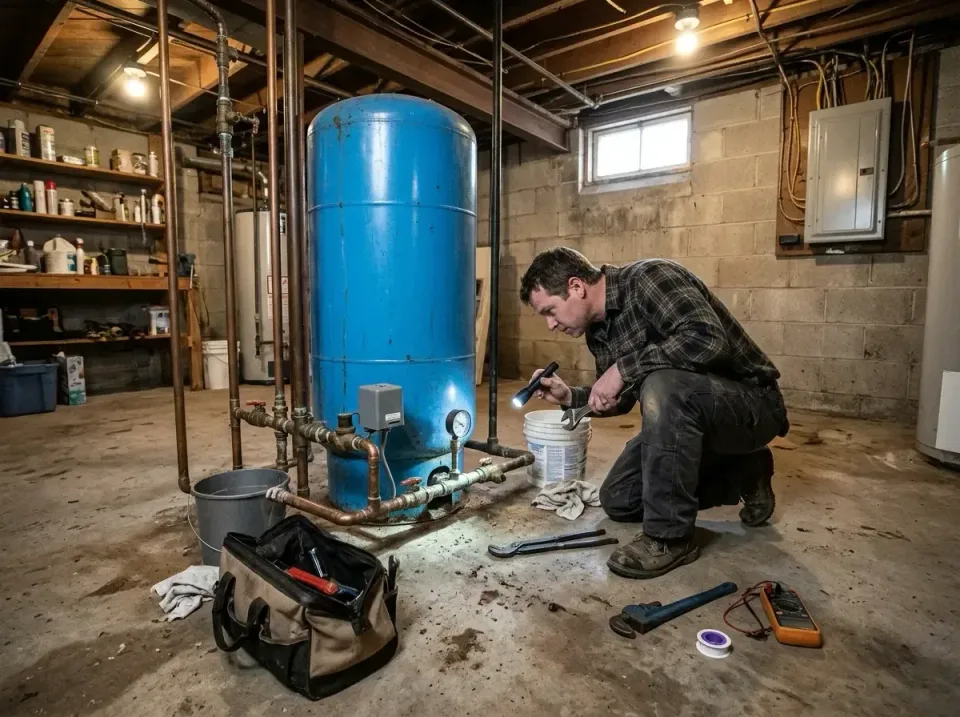
Cool winter nights in Cottonwood can make exposed plumbing a practical concern, especially where older homes have outdoor connections. At Verde Valley Medical Center, local routines depend on water working reliably; our crew approaches residential pressure complaints with measured checks, not assumptions.
Daniel Herrera’s crew brings more than 12 years of service experience and explains findings in plain language before work starts. We schedule access around the home’s shutoff, fixtures, and equipment, then confirm the agreed scope. Short on time? We can coordinate a visit and explain what to have accessible. Call (877) 773-0781 to discuss a pressure problem in Cottonwood.
A shower that weakens when another tap runs, or an upstairs faucet that barely flows, calls for a system check rather than a guess. Cottonwood’s seasonal snow and freeze-thaw can matter where exposed plumbing is not protected; we inspect accessible lines and ask where the change occurs. You can safely compare two fixtures and note whether the problem affects hot water, cold water, or both.
During June through September, monsoon weather can bring sudden changes in conditions around outdoor equipment. We check the relevant supply path, connections, and pressure readings, then explain the repair options before proceeding.
A Cottonwood visit can cover addresses in ZIP codes 86326, 86324, and 86336. Keep the main shutoff and any pressure equipment accessible, and tell us whether your water comes from a well or municipal supply.
Monsoon storms can expose roof and drainage leaks, so after a downpour a Cottonwood homeowner may notice dampness near plumbing or a pressure change. A leak is not the only possible cause. At Cottonwood City Hall, the landmark is a useful point of reference for local service; in the home, our crew checks the affected fixtures and accessible supply lines before identifying the source.
Sudden downpours can also bring flash flooding, which makes it sensible to look for visible water around equipment without entering a flooded area. If a softener installation preceded the pressure loss, note whether every fixture is affected; our team can inspect the unit and connections as part of the diagnosis.
A Cottonwood resident can safely check whether the visible leak is active and report when pressure changed. Bring us in when the cause is unclear or flow remains reduced.
A clear pressure reading gives Cottonwood property owners a sound basis for deciding what repair is needed. Our team records static and flowing pressure before diagnosis, so a weak reading under use can be separated from pressure measured with no water moving. That distinction helps avoid replacing a component that is not causing the problem.
For a low water pressure repair quote, we explain the findings, access needs, and proposed scope before work begins. Drinking-water components must meet NSF/ANSI/CAN 61 requirements; we consider that standard when selecting applicable replacement parts. A City of Phoenix permit rule is not a Cottonwood permit rule.
Get a clear diagnosis and practical repair options from a team that works across Arizona.
Arizona Plumbing Pros schedules service across the state, coordinating routes around travel distance and local access. That planning helps set realistic expectations for a Cottonwood visit instead of promising a timing the route cannot support.
Technicians check pressure at fixtures and across the system, then compare multiple fixtures to help locate a restriction. You get findings tied to your plumbing, not a repair recommendation based on one faucet alone.
The technician explains the diagnosis and available repair options before work begins. You can understand the proposed scope and decide how to proceed, with a practical repair approach shaped by Arizona plumbing conditions.
The crew checks your system, explains the findings, and completes agreed repairs.
Discuss The Symptoms
On the first call, describe where pressure seems low and when you notice it. The team uses those details to plan the visit and consider route distance and local access in Cottonwood.
Test System Pressure
The technician records static and flowing pressure, then checks multiple fixtures. These tests help distinguish a localized restriction from a system-wide concern and give you a clearer basis for the diagnosis.
Explain Repair Options
The technician reviews the findings and explains practical repair options before work begins. If pump or tank replacement is being considered, compatibility is checked so the proposed equipment suits the system.
Complete And Verify
After you agree on the repair, the technician completes the work and checks for active leaks before increasing system pressure. You learn what was addressed and what to watch for after service.
Mineral scale around faucet openings can signal buildup where water exits. Check whether the deposit is limited to one fixture or appears at several. That distinction can help the technician narrow down whether the concern is localized.
A noticeable difference in flow between fixtures is worth keeping track of, even before it disrupts daily use. Note which outlets seem affected and whether the pattern changes; those observations can help identify where a restriction may be located.
Spring is a useful time to check pressure and system condition as outdoor plumbing use increases. In Cottonwood, the high-desert temperature range can affect plumbing components, so a pressure assessment can help identify concerns before heavier household or yard demand.
Summer heat can place added strain on regulators, filters, and booster pumps, while monsoon storms can affect site access. Scheduling a pressure check can clarify whether the system needs attention and allow the crew to plan around local conditions.
Fall offers a chance to review pressure and plumbing equipment before cooler nights return. The temperature range in Cottonwood can be harder on system components, so identifying a restriction or equipment concern can help you plan practical repairs.
Cool winter nights make system condition worth checking, especially where pressure equipment is exposed to changing temperatures. A visit can establish how the system is performing and explain any repair options, with scheduling coordinated around route distance and access.
Permit needs can vary with the work being done and local requirements. Ask the provider to explain whether permits apply to the proposed scope and who will handle them, so you understand what needs to be arranged before work starts.
The team schedules routes across Arizona and considers travel distance and local access. Ask how that affects the available visit window and what information the crew needs to plan the trip, particularly if your property has access restrictions.
A clear scope helps you understand which checks and repairs are included and what would require separate approval. Ask the provider to explain the work in plain terms before it begins, including any equipment being considered for replacement.
Reviewing the service terms helps clarify the agreed scope, approvals, and any conditions that apply to the work. Ask for those details before proceeding so you know what has been authorized and how additional findings will be discussed.
Request a quote online or contact our Cottonwood, AZ team directly by phone or email.
Compare a few fixtures and note whether the weak flow affects hot water, cold water, or both. Look for a visible leak only where it is safe to do so, and tell our Cottonwood crew when the change began. We can measure pressure and trace the cause before recommending work.
Mineral buildup can restrict plumbing flow over time, but it is only one possible cause. Our team checks where the pressure loss occurs and inspects relevant fixtures or equipment before choosing a repair.
Low Water Pressure Repair is also available in these nearby communities across Arizona.